+91 9873748259
Mon–Sat: 9AM–7PM | Sun: 10AM–2PM
A 230, Sector 122, Noida
Book Free Consultation →
+91 9873748259
Mon–Sat: 9AM–7PM | Sun: 10AM–2PM
A 230, Sector 122, Noida
Proctology · Anal Fissure

End the Pain.
Heal with Confidence.

Advanced laser and minimally invasive treatments for acute and chronic anal fissures — providing fast relief, rapid healing, and long-term comfort with same-day discharge.

2,000+
Procedures Done
90%+
Success Rate
15–30 min
Procedure Time
Minimally Invasive
Same-Day Discharge
Confidential Care
EMI Options Available
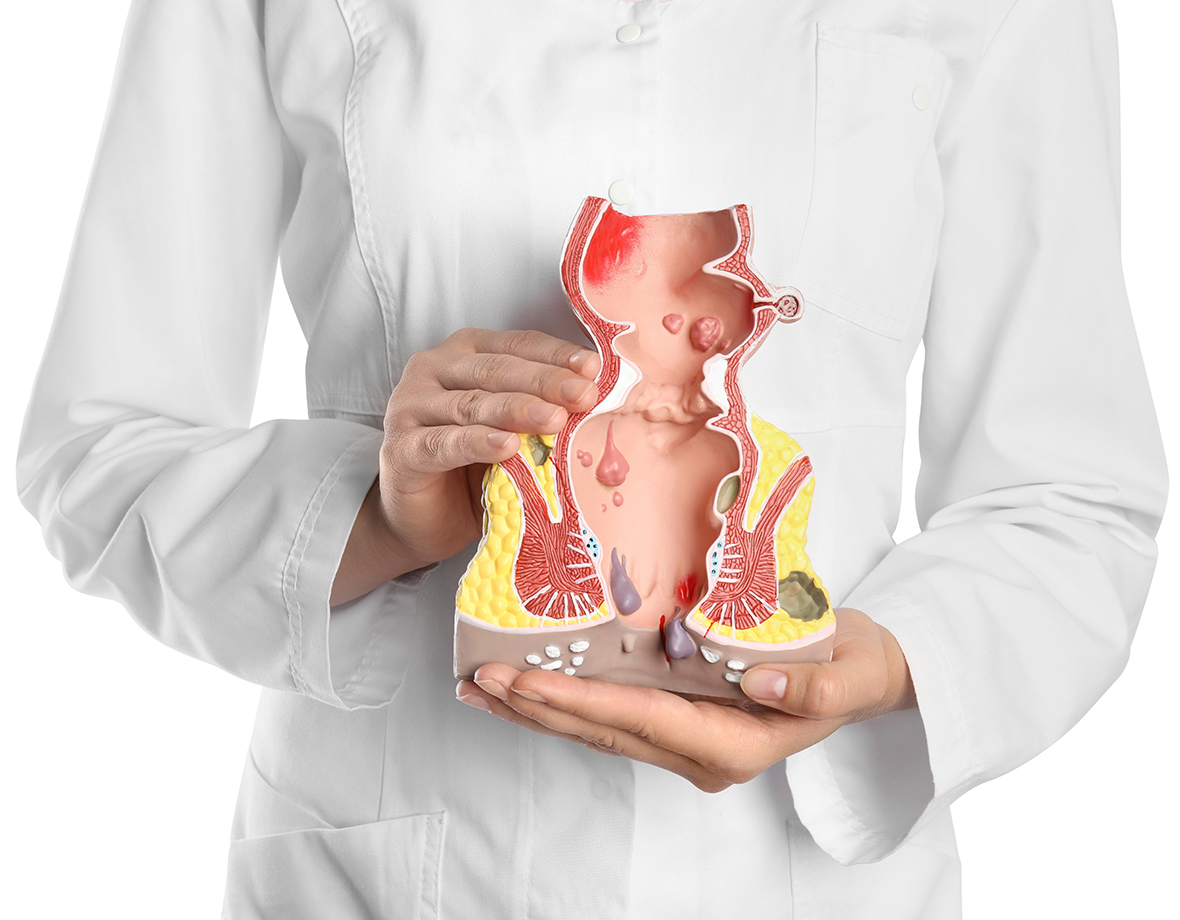
Anal fissure treatment specialist consultation
Advanced proctology clinic
Immediate Pain Relief
Botox Injection Therapy
LIS Surgery (Sphincterotomy)
Dietary & Lifestyle Support
Non-Surgical Options
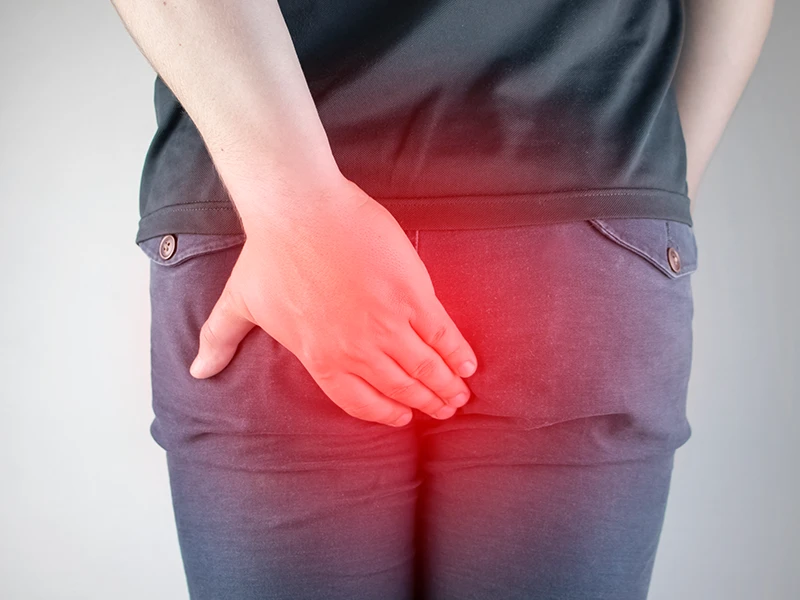
Anal fissure diagnosis and care
90%+
Healing with treatment
What Is an Anal Fissure?

A Small Tear,
A Significant Impact

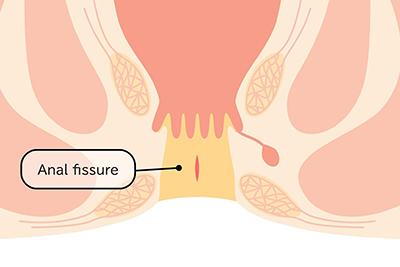
An anal fissure is a small tear or cut in the thin, moist lining of the anus — typically caused by passing hard or large stools. While common, it causes severe pain and bleeding that can significantly affect daily quality of life.

Many people hesitate to seek help due to embarrassment, but early treatment prevents the condition from becoming chronic. Our specialists provide confidential, expert care with fast and lasting results.

  • A tear in the anal canal lining (mucosa)
  • Causes sharp pain and bleeding during bowel movements
  • Can be acute (short-term) or chronic (lasting 6–8+ weeks)
  • Highly treatable with medical and surgical options
  • Affects both men and women of all ages
Causes & Symptoms

Why It Happens &
What to Watch For

Understanding the causes and symptoms of anal fissures helps in seeking timely treatment and preventing complications.

⚡ Common Causes

Anal fissures can develop due to several lifestyle and medical factors.

  • Constipation — passing hard or dry stools
  • Straining excessively during bowel movements
  • Chronic diarrhea irritating the anal area
  • Childbirth trauma in women
  • Low-fiber diet leading to hard stools
  • Crohn's disease or inflammatory bowel disease
  • Anal trauma or injury

🩺 Common Symptoms

Symptoms are often painful and affect daily activities and bowel habits.

  • Sharp or burning pain during bowel movements
  • Pain persisting for minutes to hours afterward
  • Bright red blood on stool or toilet paper
  • Visible tear or crack around the anus
  • Itching or irritation in the anal area
  • Muscle spasms (sphincter) in the anal region
  • Skin tag (sentinel pile) near a chronic fissure
Types of Anal Fissure

Understanding Your
Condition Better

Anal fissures are classified by duration and severity. Identifying the type ensures the right treatment approach for fast, lasting relief.

🔴
Chronic Anal Fissure
Persists 6–8+ Weeks

A deep, long-standing tear that has not healed with conservative treatment. Often develops a skin tag (sentinel pile) and exposed muscle tissue requiring medical or surgical intervention.

  • Lasts more than 6–8 weeks
  • May develop a sentinel skin tag
  • Exposed internal sphincter muscle
  • Requires Botox or LIS surgery
💉
Posterior Fissure
Most Common Location

Located at the back (posterior) of the anus, this is the most common site for anal fissures due to reduced blood supply and higher mechanical stress during bowel movements.

  • Accounts for ~90% of fissures
  • Poor blood supply slows healing
  • Higher risk of becoming chronic
  • Excellent surgical outcomes
🔬
Secondary Fissure
Underlying Condition

Fissures caused by underlying conditions such as Crohn's disease, sexually transmitted infections, or tuberculosis. Treating the root cause is essential alongside fissure management.

  • Linked to Crohn's or IBD
  • May appear in atypical locations
  • Requires targeted medical treatment
  • Multidisciplinary care approach
When to Seek Care

Is It Time to See
a Specialist?

You should not delay consulting a proctologist if you experience any of the following signs:

  • Pain lasting more than a week without improvement
  • Bleeding during or after bowel movements
  • Symptoms that worsen despite home care
  • Visible tear, skin tag, or crack around the anus
  • Itching or burning that disrupts daily life
  • Difficulty or fear of having bowel movements
Diagnosis Process

How We Diagnose Your Condition

Diagnosis is usually straightforward and does not require complex testing. Our proctologists ensure a thorough, comfortable, and confidential evaluation.

  • Detailed medical and symptom history review
  • Visual inspection of the anal area
  • Gentle physical examination
  • Anoscopy if required for further assessment
  • Personalized treatment plan discussion

High-Risk Groups Include:

  • People with chronic constipation
  • Pregnant or postpartum women
  • Individuals with Crohn's or IBD
  • People with sedentary lifestyles
Treatment Journey

Step-by-Step:
Your Path to Recovery

Our proctologists follow a proven, staged treatment protocol — starting with the least invasive options and progressing only when necessary.

1
Step One
Consultation & Diagnosis
A thorough review of your symptoms and medical history is conducted. A gentle physical examination and, if needed, anoscopy helps confirm the type and severity of the fissure. This forms the basis of your personalized treatment plan.
2
Step Two
Conservative Treatment (First Line)
For acute fissures, treatment begins with dietary fiber increase, adequate hydration, stool softeners, and warm sitz baths (10–15 minutes, 2–3 times daily). Topical medications including nitroglycerin ointment or calcium channel blockers help relax the sphincter and promote healing.
3
Step Three
Botox Injection Therapy
For fissures that do not heal with medication, Botox (botulinum toxin) injections are administered into the anal sphincter. This relaxes muscle tension, improves blood flow, and promotes healing. It is a quick, outpatient procedure with minimal discomfort and no hospital stay required.
4
Step Four
Lateral Internal Sphincterotomy (LIS)
The gold-standard surgical treatment for chronic fissures. A small, precise incision is made in the internal anal sphincter muscle to reduce tension and promote healing. Performed under local or general anesthesia, the procedure takes 15–30 minutes with same-day discharge and over 90% success rate.
5
Step Five
Post-Treatment Care & Recovery
After treatment, our team provides complete aftercare guidance including wound care, dietary instructions, sitz bath routines, and follow-up appointments. Most patients return to normal activities within 2–3 days. Full recovery is typically achieved within 2–3 weeks.
Why Treat Early

Benefits of Timely Treatment

Early and effective treatment provides significant relief and prevents long-term complications.

🎯
Immediate Pain Relief
Fast-acting treatments eliminate the sharp, burning pain that makes bowel movements dreaded.
Faster Healing
Medical and surgical options accelerate healing, far outperforming untreated recovery timelines.
🔄
Improved Bowel Movements
Restores comfortable, pain-free bowel habits and eliminates the anxiety around defecation.
🛡️
Prevents Recurrence
Combined with lifestyle guidance, treatment significantly reduces the risk of fissures returning.
🌟
Better Quality of Life
Eliminating chronic pain restores your ability to work, exercise, and enjoy daily activities.
🏥
Same-Day Discharge
Minimally invasive procedures allow you to return home the same day — no prolonged hospital stay.
Recovery Timeline

What to Expect After Treatment

Recovery is typically smooth, quick, and well-supported by our care team at every stage.

🩹
Day 1–2
Immediate Relief
Pain significantly reduced after procedure. Mild soreness managed with medication. Rest at home.
🚶
Day 2–3
Return to Work
Most patients resume light work and daily activities within 2–3 days of treatment.
🥗
Week 1–2
Dietary Adjustment
High-fiber diet, hydration, and sitz baths support healing. Follow-up appointment scheduled.
Week 2–3
Full Recovery
Complete healing achieved. Normal bowel habits restored. Prevention plan established.
Treatment Comparison

Choosing the Right
Treatment Option

Treatment is determined by the severity and duration of your fissure. Here is how each option compares.

Factor Conservative Treatment Botox Injection LIS Surgery
Best ForAcute fissuresPersistent fissuresChronic fissures
Procedure TimeNo procedure10–15 minutes15–30 minutes
AnesthesiaNot requiredLocalLocal or General
Hospital StayNoneNoneSame-day discharge
Recovery Time2–6 weeks1–2 weeks2–3 weeks
Success Rate~60–70%~60–80%Over 90%
Recurrence RiskModerateModerateLow
FAQ

Frequently Asked Questions

Is an anal fissure serious?
+

An anal fissure is not life-threatening, but it can cause severe and persistent discomfort if left untreated. Chronic fissures that go untreated for months can become significantly harder to heal and may require surgery. Early treatment is always recommended for faster relief and better outcomes.

Can an anal fissure heal on its own?
+

Acute fissures often heal on their own within a few weeks when supported by dietary changes, increased fiber, hydration, and sitz baths. However, chronic fissures (lasting more than 6–8 weeks) rarely resolve without medical treatment. It is always best to consult a specialist for proper evaluation and a guided care plan.

Is the LIS surgery painful?
+

The procedure is performed under anesthesia, so you will not feel pain during it. Afterward, mild soreness for 1–3 days is expected and easily managed with prescribed medication. Most patients find that the relief from the fissure pain begins immediately after the procedure, far outweighing any minor post-operative discomfort.

How long does it take to recover from Botox injection for anal fissure?
+

Botox injection is an outpatient procedure with no hospital stay. Most patients experience relief within a few days and can return to normal activities the same day or the next day. Complete fissure healing typically occurs within 4–8 weeks. Follow-up appointments help monitor progress.

Will there be any risk of incontinence after LIS surgery?
+

Temporary incontinence is a rare complication of LIS surgery. When performed by an experienced proctologist, the risk is minimal. Our surgeons take precise measurements and use careful technique to preserve sphincter function. Permanent incontinence is extremely rare in the hands of a skilled specialist.

Can anal fissures come back after treatment?
+

Recurrence is possible if preventive habits are not maintained. Following a high-fiber diet, staying hydrated, avoiding straining, and maintaining regular bowel movements significantly reduces the risk. After successful LIS surgery, recurrence rates are very low (under 5%). Our team provides a complete prevention plan as part of your aftercare.

Is the consultation confidential?
+

Absolutely. We understand that proctological conditions can feel sensitive or embarrassing to discuss. All consultations, examinations, and treatments at our clinic are completely confidential. Our team is experienced in making patients feel comfortable and respected throughout their care journey.

Ready to End the Pain &
Restore Your Comfort?

Our expert proctologists are here to guide you through every step — from diagnosis to full recovery. Confidential care, transparent pricing, and lasting results.

✓ Free Initial Consultation
✓ Same-Day Discharge Available
✓ Flexible EMI Plans
✓ Post-Treatment Support Included
Get In Touch

Book Your Free Consultation

Take the first step towards better health. Our specialists are ready to help with a confidential, judgement-free consultation.

Helpline (24/7) +91 9873748259
Email Usinfo@plasticoshealthcare.com
Visit UsA 230, Sector 122, Noida
OPD HoursMon–Sat: 9:00 AM – 7:00 PM | Sun: 10:00 AM – 2:00 PM

Your information is completely confidential. We will contact you within 2 hours.