Advanced gynecomastia surgery to permanently eliminate excess male breast tissue — precise, safe, and natural-looking results with minimal downtime.
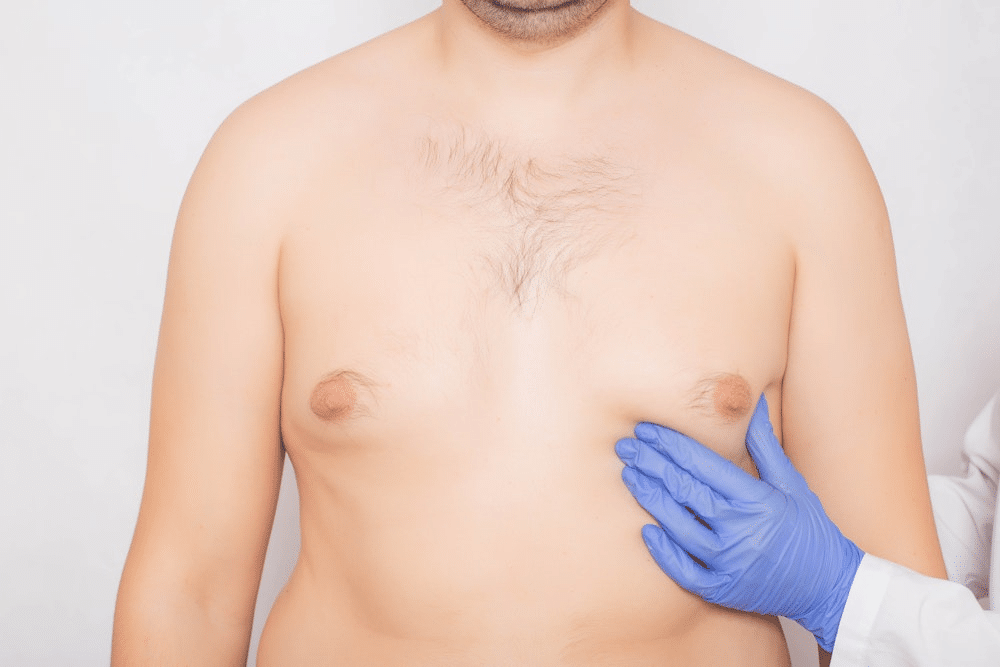
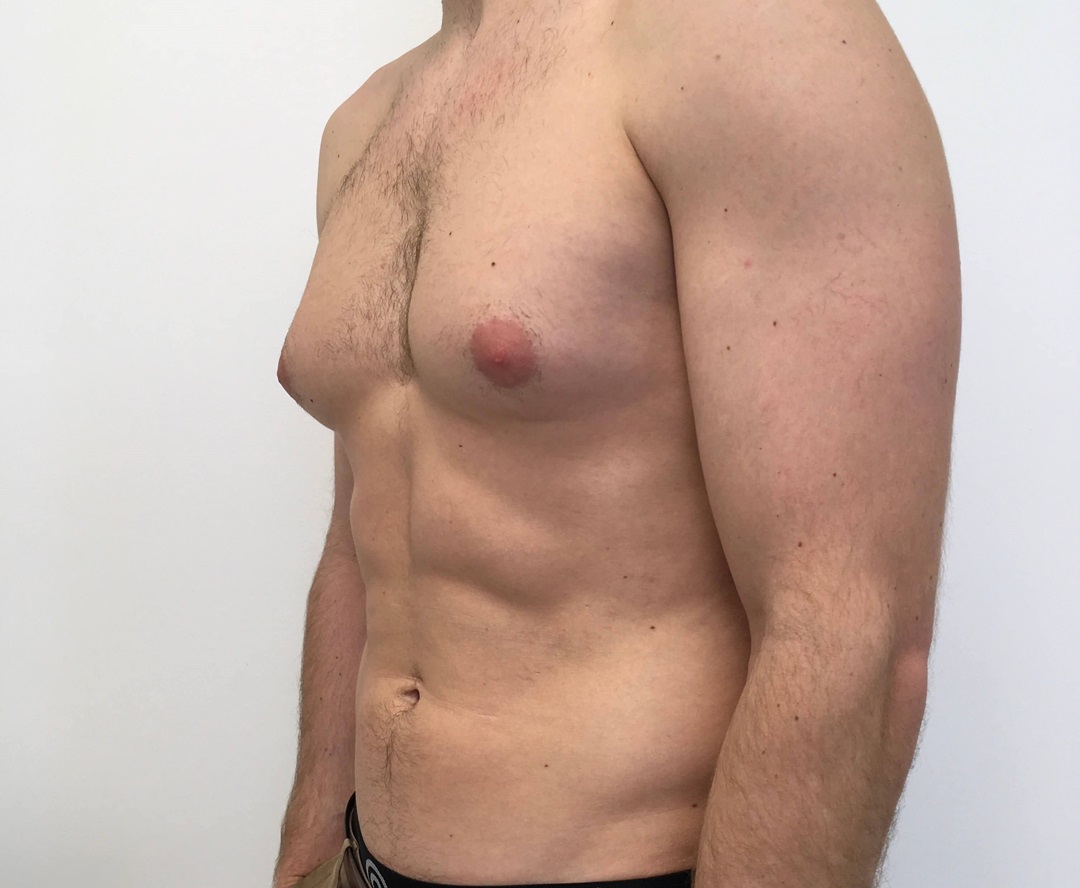
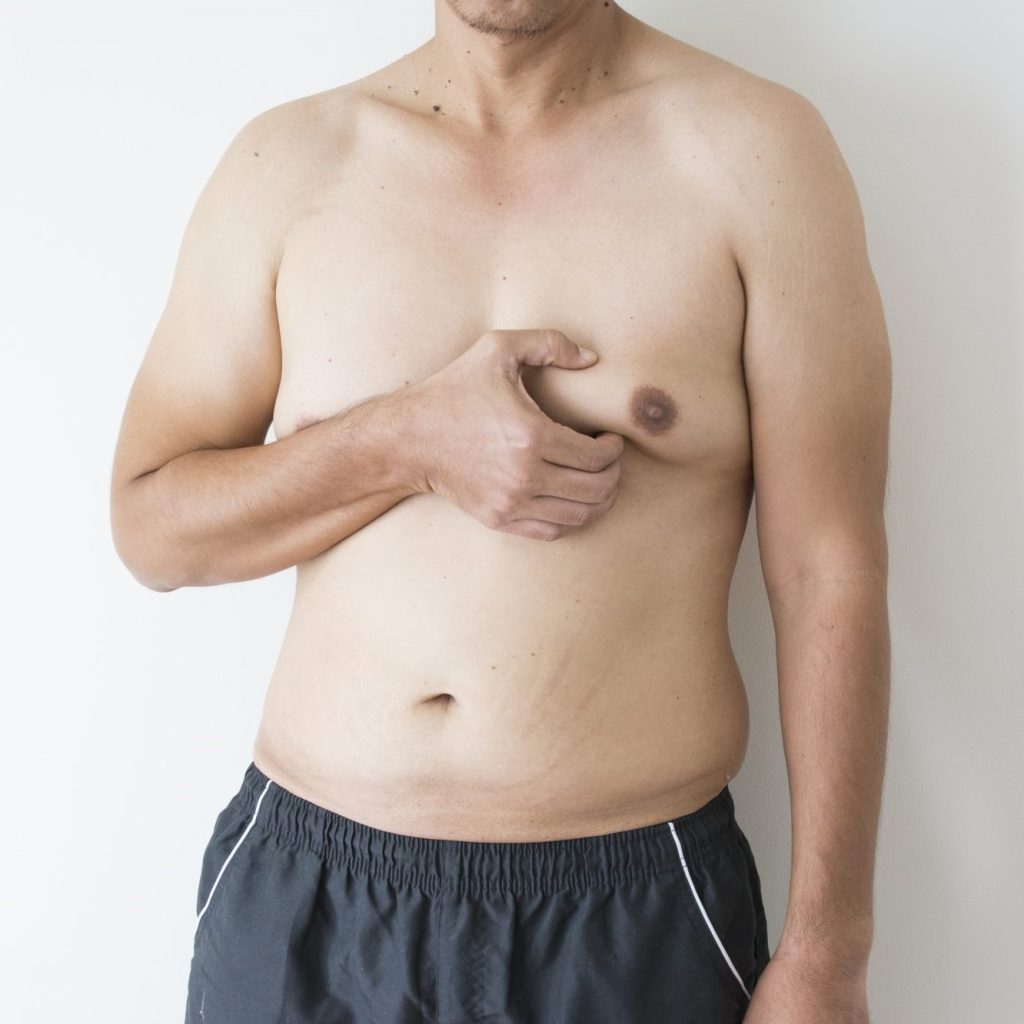
Gynecomastia is the enlargement of male breast tissue caused by a hormonal imbalance between estrogen and testosterone. It can affect one or both breasts and occurs across all age groups — from adolescence to adulthood. While not medically dangerous, it can significantly impact a man's self-image and quality of life.
Understanding which type of gynecomastia you have is the first step toward the right treatment. Our specialists diagnose each case individually for a tailored approach.
Gynecomastia can develop from multiple triggers. Identifying the underlying cause helps design the most effective treatment plan.
If you are experiencing any of the following signs, it may be time to consult a specialist for an accurate diagnosis and personalized treatment plan.
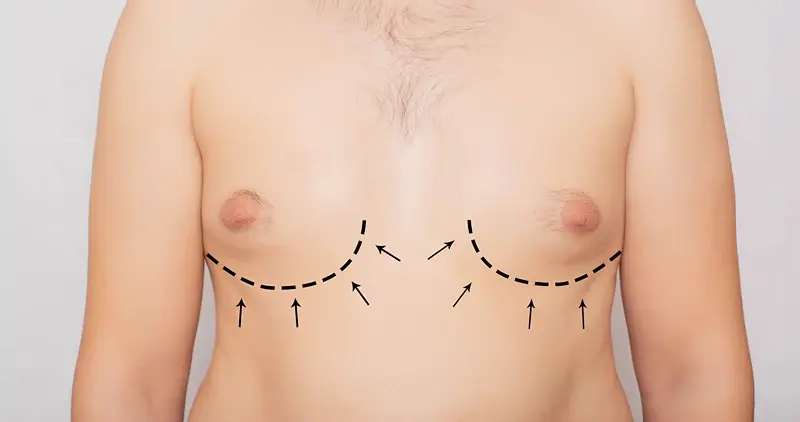
Before surgery, your specialist carefully marks the treatment zone on your chest. These markings define the precise boundaries for fat removal and gland excision — a critical step that ensures symmetry, prevents over-removal, and leads to the most natural-looking outcome.
The dashed-line planning technique allows our surgeons to visualize the final contour in advance. This methodical pre-operative approach is a hallmark of our high-precision surgical standard and is performed for every patient, regardless of the extent of correction needed.
We offer both non-surgical and surgical solutions tailored to the severity of your condition. Our specialists guide you toward the most effective approach for lasting results.
For mild cases or puberty-related gynecomastia, structured lifestyle changes can reduce fat-related chest enlargement and improve hormonal balance.
In early-stage or hormonally driven gynecomastia, medication may help restore the estrogen-testosterone balance and reduce tissue growth.
For fat-predominant or mixed gynecomastia, advanced VASER or laser-assisted liposuction precisely removes chest fat with minimal downtime and superior contouring.
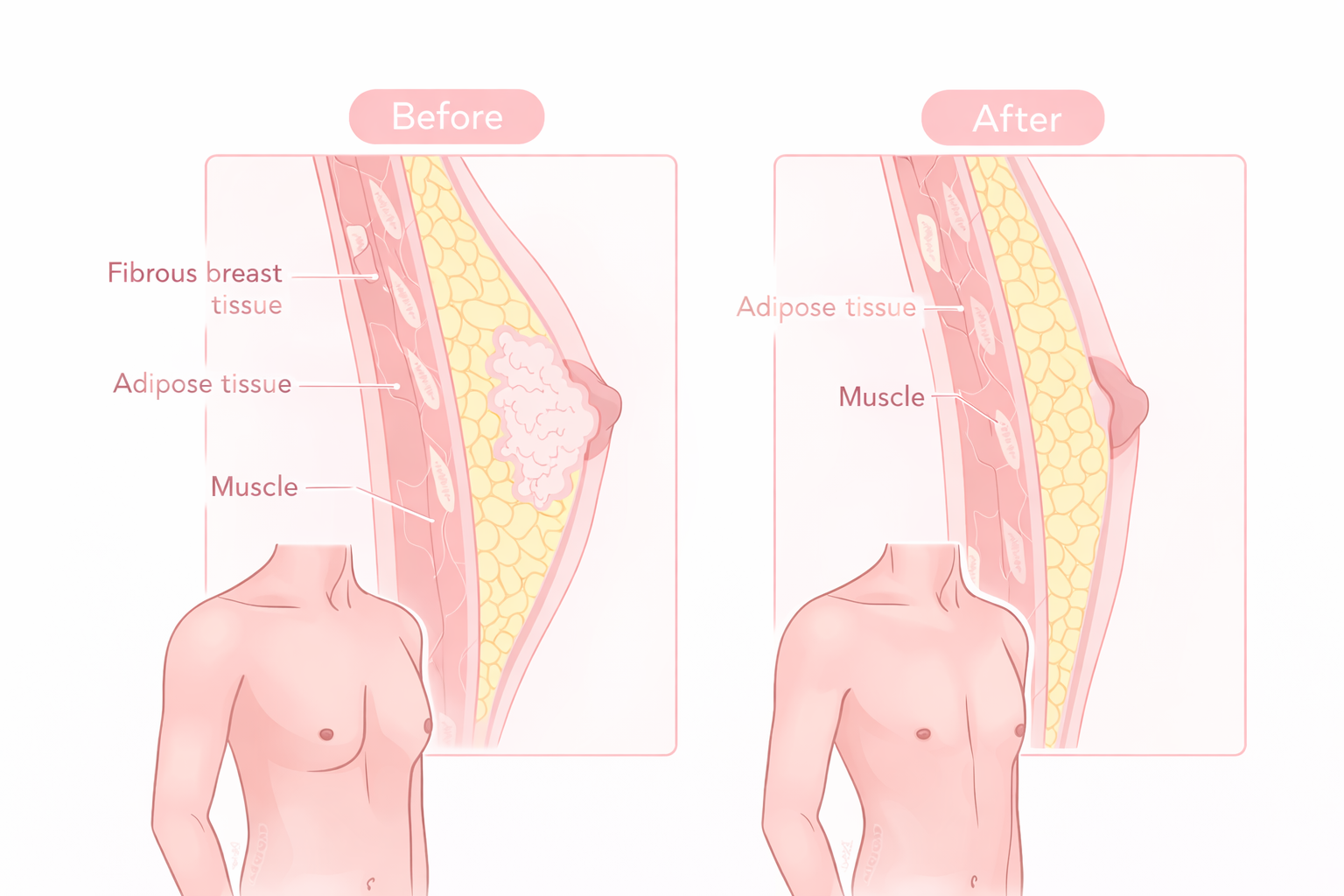
For glandular gynecomastia, the excess breast gland is surgically removed through a small incision around the areola. The only definitive cure for true glandular tissue.
The most common treatment — liposuction + gland excision in a single procedure. Addresses both fat and glandular components for comprehensive correction.
Our surgeons follow a precise, patient-specific protocol to ensure optimal symmetry, minimal scarring, and the most natural-looking masculine chest contour possible.
Gynecomastia surgery recovery is smooth for most patients. Here's a realistic guide to what to expect at each stage of your healing journey.
Beyond the physical transformation, our patients consistently report a profound shift in confidence, freedom, and quality of life after surgery.
Surgery delivers the best outcomes for patients who are physically healthy and have a persistent chest enlargement that has not responded to lifestyle changes.
Not sure whether surgery is right for you? Our specialists will assess your condition, severity, and health during a free confidential consultation.
Schedule Free Assessment →Everything you need to know about gynecomastia treatment, from safety to recovery.
The procedure is performed under anesthesia, so you experience no pain during surgery. Post-operatively, mild soreness and discomfort are expected for the first 2–3 days and are well-managed with prescribed medication. Most patients report the recovery is significantly less uncomfortable than they anticipated.
Yes, results are typically permanent. The removed glandular tissue does not grow back, and the extracted fat cells do not return to the treated area. However, significant weight gain or steroid use after surgery could cause some recurrence, which is why maintaining a stable weight and healthy lifestyle is important.
Incisions are strategically placed at the edge of the areola, where the pigmentation naturally camouflages the scar, and within natural skin creases for liposuction access. With proper post-operative care, scars are minimal and fade significantly over 6–12 months, becoming barely visible to the naked eye.
Light walking is encouraged from day 3 onward. Upper body workouts should be avoided for 4 weeks post-surgery to protect the healing tissue. Full gym activity, including chest exercises and heavy lifting, can typically resume from week 6 onwards based on your surgeon's assessment.
Recurrence is uncommon but possible if the underlying cause — such as hormone imbalance, certain medications, or steroid use — is not addressed. Our pre-operative assessment includes identifying and managing these factors to significantly minimize the risk of recurrence.
The cost varies based on the severity of the condition, the technique required (liposuction only, gland excision, or combination), and the clinic's facilities. We offer transparent, all-inclusive package pricing with EMI options available. Contact us for a personalized quote following your free consultation.
Our board-certified surgeons have helped over 1,500 men achieve a masculine, natural-looking chest. Your transformation begins with a single consultation.
Take the first step towards better health. Our specialists are ready to help with a confidential, judgement-free consultation.